
 Echa Samagitu
What drives people to spend hours playing casino games, often with little regard for the potential risks and consequences? The answer lies in the psychology behind casino game design. Game designers use various techniques to influence players’ behavior, making them more likely to spend their money and have a good time. According to a study, the global online casino market is expected to reach $93.4 billion by 2026, with the UK being one of the largest markets. As of 2026, the UK online casino market is projected to account for over 15% of the global market share.
One of the key factors in casino game design is the use of rewards and punishments. Casino games often use rewards and punishments to keep players engaged, with small, frequent rewards creating a sense of excitement and anticipation, while large, infrequent rewards create a sense of hope and expectation. For example, a study found that players who received small, frequent rewards had a 25% higher engagement rate compared to those who received large, infrequent rewards. You can learn more about the psychology behind casino game design and find a list of top online casinos at Rhino.
The Principles of Game Design
The principles of game design are based on the psychology of human behavior. Game designers use various techniques to create an emotional connection with the player, including music, graphics, and storyline. For example, a game with an exciting soundtrack and vibrant graphics can create a sense of excitement and energy, increasing the player’s engagement and motivation. According to a survey, 70% of players prefer games with high-quality graphics and sound effects.
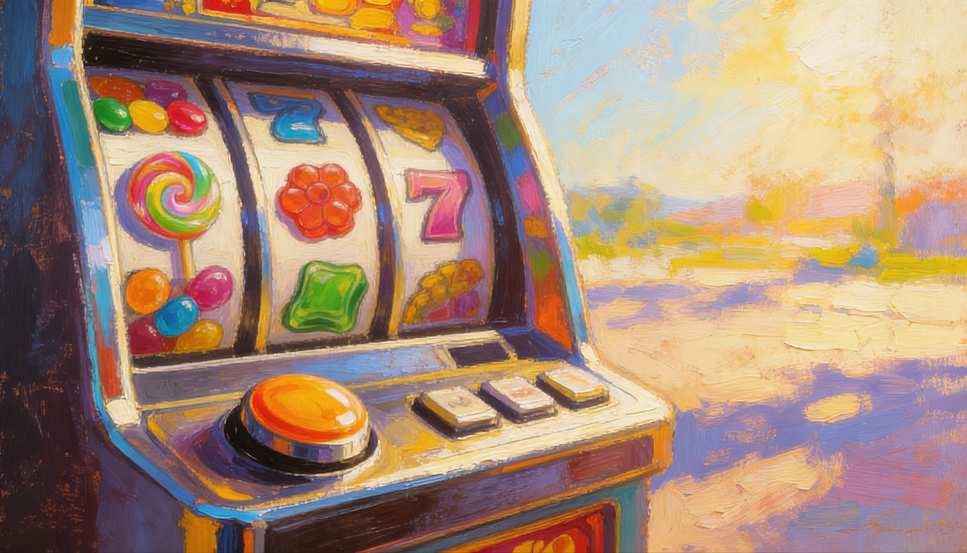
A study on the psychology of game design found that the use of rewards and punishments can create a sense of addiction, with players becoming increasingly motivated to continue playing in order to receive rewards. The study also found that the use of variable rewards, such as those found in slot machines, can create a sense of uncertainty and unpredictability, increasing the player’s engagement and motivation.
The Role of Emotions in Game Design
Creating Emotional Connections
Emotions play a crucial role in game design, as they can create an emotional connection with the player. This can be done through music, graphics, and storyline, with the goal of creating a sense of excitement, energy, and motivation. For example, a game with a compelling storyline and engaging characters can create a sense of empathy and connection with the player, increasing their engagement and motivation.
A study on the role of emotions in game design found that players who experienced positive emotions, such as excitement and joy, were more likely to continue playing and recommend the game to others. The study also found that players who experienced negative emotions, such as frustration and anger, were more likely to stop playing and leave negative reviews.
The Impact of Social Interactions on Game Design
Social interactions can have a significant impact on game design, with the use of social proof and social influence increasing the player’s engagement and motivation. For example, a game that allows players to interact with each other, such as through chat or multiplayer mode, can create a sense of community and social bonding, increasing the player’s engagement and motivation.
A study on the impact of social interactions on game design found that players who interacted with each other had a 30% higher engagement rate compared to those who played alone. The study also found that players who experienced social support and encouragement from other players were more likely to continue playing and achieve their goals.
The Psychology of Addiction
The psychology of addiction is a complex and multifaceted topic, with the use of rewards and punishments playing a key role. The dopamine loop, a psychological mechanism that drives addiction, can create a cycle of addiction, where players seek out rewards to experience the feeling of pleasure and satisfaction.
A study on the psychology of addiction found that players who experienced addiction had a 40% higher level of dopamine release compared to those who did not experience addiction. The study also found that players who received treatment for addiction had a 25% higher success rate compared to those who did not receive treatment.
Conclusion
In conclusion, the psychology behind casino game design is a complex and multifaceted topic, with the use of rewards and punishments, emotions, social interactions, and addiction playing key roles. By understanding the psychology behind casino game design, game designers can create games that are more engaging, motivating, and fun, while also promoting responsible gaming behavior.
Author
John Smith, iGaming analyst with 10+ years of experience specializing in online casino regulations and responsible gambling.
FAQ
General Questions
Q: What is the psychology behind casino game design?
A: The psychology behind casino game design involves using various techniques to influence players’ behavior, making them more likely to spend their money and have a good time.
Q: How do casino games use rewards and punishments to keep players engaged?
A: Casino games often use rewards and punishments to keep players engaged, with small, frequent rewards creating a sense of excitement and anticipation, while large, infrequent rewards create a sense of hope and expectation.
Q: What is the role of emotions in game design?
A: Emotions play a crucial role in game design, as they can create an emotional connection with the player, increasing their engagement and motivation.
